Social Care, Social Factor
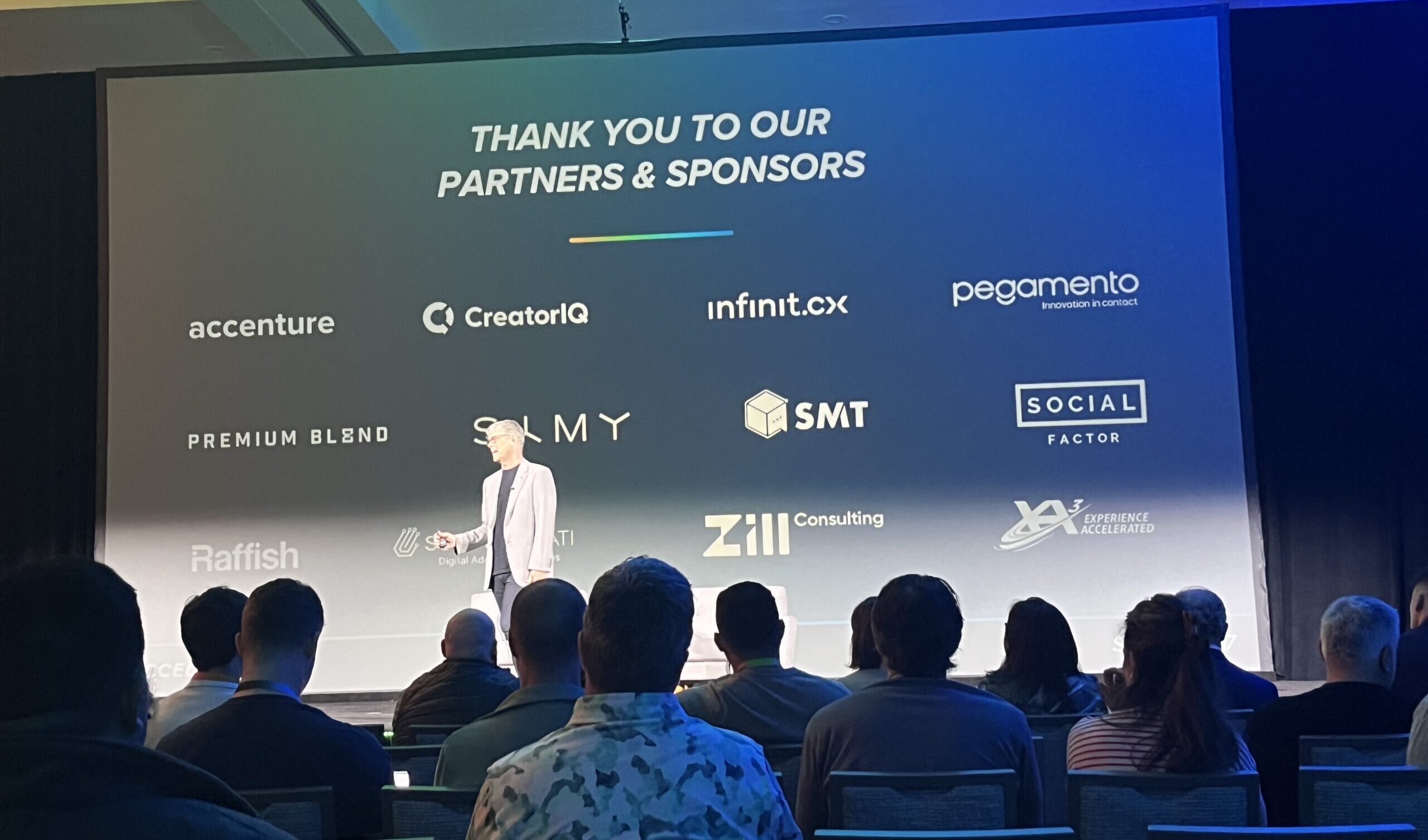
Sprinklr SKO 2026: Strengthening Partnerships to Elevate Customer Experience


On January 27, 2026, the digital landscape shifted. As jury selection began for the Los Angeles bellwether trial K.G.M. v. Meta, et al., the “Big Tobacco” analogy moved from a headline to a legal reality. Plaintiffs are no longer just debating content moderation; they are targeting the defective design of platforms—infinite scroll, dopamine-driven notifications, and algorithms engineered for compulsive use.
This creates a “quiet crisis” for the modern enterprise. For years, we’ve treated social media as a simple megaphone. But as the “engineered addiction” debate enters the courtroom, leaders are being forced to confront a question most would prefer to ignore: How can your brand use these platforms to meet business objectives without becoming collateral damage in a public health crisis? To put it bluntly: how do you reach your audience without contributing to the very “digital toxicity” that is now under legal fire?

When asked if this is social media’s “Big Tobacco moment,” the only honest answer for a leader is: “Sorta.” It is “sorta” like tobacco because the engineering is intentional. When “ultra-processed” digital content bypasses the brain’s satiety signals, it isn’t a failure of user willpower; it’s a success of product design. Yet, it is not like tobacco because social media has become essential infrastructure. For an individual, opting out might mean “professional invisibility,” but for an enterprise, it means losing the ability to reach consumers where they actually live. You cannot deliver a message to a place where people aren’t looking.
The takeaway? You aren’t complicit in how these platforms were engineered, but you are entirely responsible for how you choose to show up on them.
The mission for enterprise leaders has changed. It is no longer just about maximizing reach; it is about Value Preservation: protecting the brand’s integrity in an increasingly volatile environment. To succeed, social leaders must move beyond being “platform operators” and embrace three new roles:

At Social Factor, we believe “human-in-the-loop” isn’t just a technical requirement. It’s a moral stance. Algorithms reward speed and controversy because they lack a conscience. Only a human can see the difference between a thriving community and one being slowly poisoned by its own incentive structure.
This is where the theory of leadership meets the reality of operations. Moving from “engagement-at-all-costs” to “stewardship” is a massive operational lift. Most Fortune 1000 companies want to do the right thing, but they lack the infrastructure to monitor for harm in real-time or the governance to say “no” to a toxic trending topic.
By moving your social practice from Digital Chaos to Human Connection, Social Factor provides the People, Strategy, Technology, and Intelligence needed to remain effective without compromising your ethics.
Whether it’s establishing a Governance Center of Excellence to protect your brand’s “Human-in-the-Loop” integrity or using Artificial Intelligence to detect algorithmic harm before it scales, we ensure your brand stays human in an era of engineered addiction.
Sprinklr SKO 2026: Strengthening Partnerships to Elevate Customer Experience

What The Big Game 2026 Revealed About Engagement, Community Management, and Social Strategy

Brand Stewardship in the Era of Social Media Addiction Lawsuits
The 5 Challenges of Social Media Community Management at Scale
Finding Your Future at SF: Where Growth Meets Opportunity

Transform your Digital Strategy by Using Tech and SaaS for Optimal Resource Utilization

Building Brand Loyalty Through Authentic Human Connection

Sail Through Social Media Budget Planning with Ease

How Brands Can Navigate Pre-Election Chaos on Social Media

Threads: Is It Worth It Yet?