Social Media
15 Social Media Management Myths That Are Hurting Your Brand

Every year, Coachella transforms the California desert into the center of the music world. But in 2026, the scale of that audience extended far beyond Indio.
The festival’s evolution into a global digital experience has been building for years, but this was the moment it tipped. Coverage of the event consistently pointed to a new reality where the livestream experience rivaled, and in some ways surpassed, being there in person. That shift was not accidental. It was engineered.
For the first time, Coachella turned on the chat for all seven stages on YouTube, giving fans the ability to interact with each performance in real time. Viewers could also use multiview to watch multiple sets at once, a feature that turned the festival into a personalized, multi-threaded experience. The result was what many described as the most immersive Coachella livestream to date.
For years, audiences called it “Couchella.” In 2026, that audience became central to the experience itself.
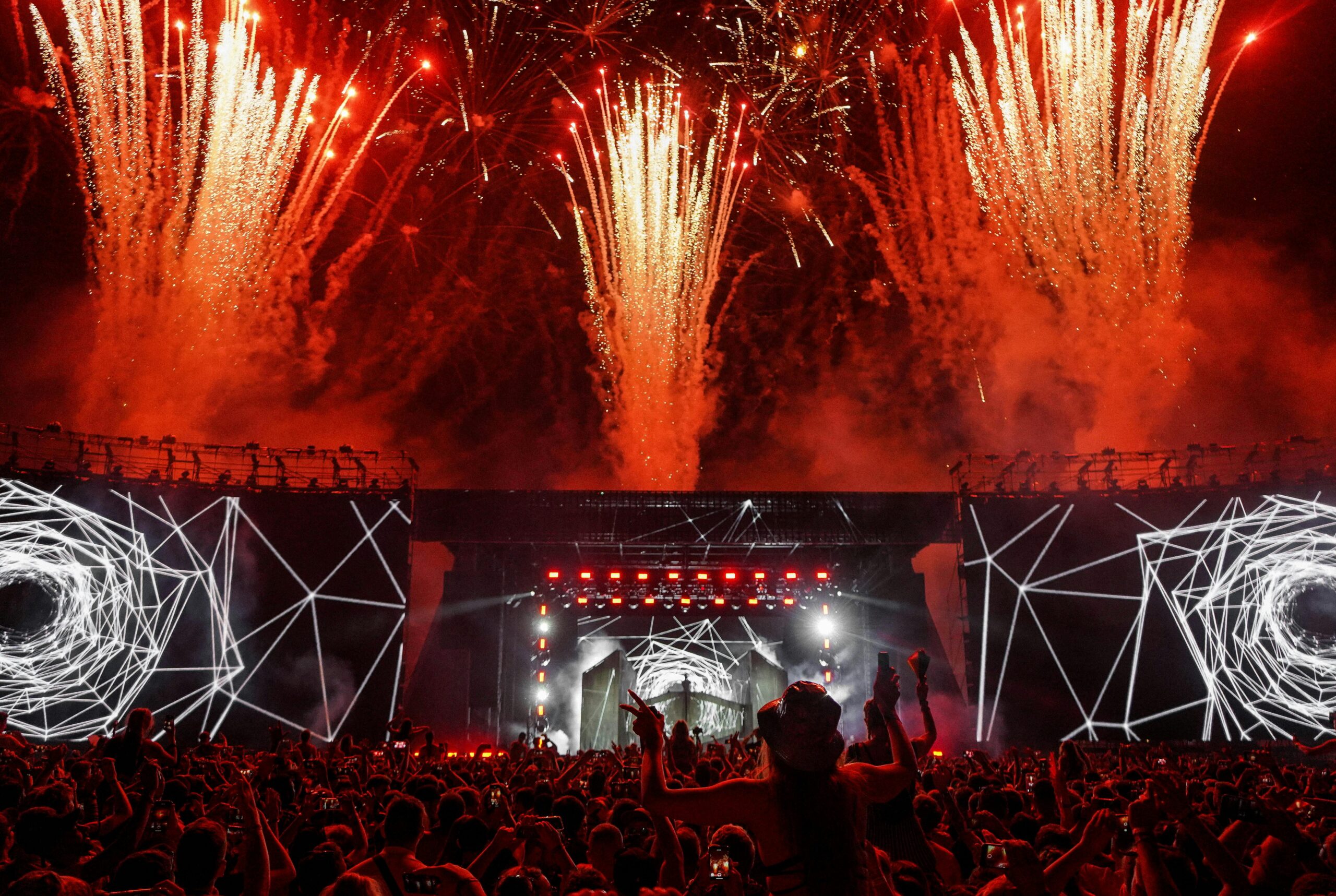
During Justin Bieber’s set, a defining moment unfolded. Bieber’s performance leaned into the platform that launched his career, blending nostalgia, digital culture, and live interaction in a way that reflected how audiences actually engage with music today. Mid-performance, he brought the livestream experience into the physical venue itself, pulling real-time audience interaction into view.
Tens of thousands of fans in the desert watched messages stream in from millions around the world. What had always been a second screen became part of the show. Fans didn’t just react, they collaborated with this impromptu set. As Bieber revisited earlier tracks, viewers typed lyrics in real time, creating a global singalong that unfolded simultaneously across continents.
“In a moment that perfectly captured why we do what we do, Bieber stopped to pull up the YouTube livestream comments in real-time. Seeing the bridge between thousands of fans screaming in the desert to the millions watching across the globe was a pinch-me moment.”
— Maggie Suszka, Senior Partner Operations Manager, VIP Artists & Indie Labels at YouTube
Neal Mohan, the CEO of YouTube, also described it as a “global living room watch party.”
The impact extended beyond the performance itself. In the days that followed, Bieber’s catalog saw a surge in engagement, including massive streaming spikes tied directly to the set. This was not just a performance. It was a feedback loop between the artist, the platform, and a global audience.

Coachella has streamed before, but what changed in 2026 was how intentional participation was designed into the experience.
Viewers could now:
Forbes described this shift as part of a broader transformation where the real Coachella experience is increasingly happening across creator streams and digital communities like YouTube. This is what made 2026 different. It was not just streamed, it was structured for interaction.
At Coachella 2026, livestreaming operated as a global system. Millions of viewers participated across multiple concurrent streams, with engagement happening in parallel across stages, formats, and communities. Reports highlighted record-breaking livestream viewership and viral engagement tied to key performances.
At the same time, YouTube positioned the festival as a major test case for the future of television itself, reinforcing how central connected TV, live streaming, and interactive chat have become to modern audiences. This is where the challenge shifts from production to operations. At this scale, engagement is not just enabled. It has to be actively managed.
High-velocity live chat introduces a problem that most platforms are still solving: context. Language evolves quickly. Meaning shifts across communities and countries. Phrases that appear harmless can carry entirely different intent depending on how they are used.
During Coachella, Social Factor’s moderation teams encountered exactly this. Coded language, slang, and community-specific references that required human interpretation in real time. AI can identify patterns, but it cannot reliably interpret culture and context. At Coachella’s scale, that distinction becomes critical to maintaining a safe and cohesive experience.
While moderation protects the environment, community management defines it. During the festival, one term began to trend across chat: “ENDED.” A shorthand used by fans to signal that a performance was so strong that nothing could follow it.
Rather than ignore it, Social Factor’s community managers responded in kind. When streams concluded, sign-offs reflected the language of the audience: “Stream has ENDED! Same time, next year?”
It was a small moment, but it reinforced something important. The audience was not just present at the festival, but was acknowledged BY the festival.
Coachella’s livestream footprint in 2026 was its most expansive to date.
Behind that experience was a level of coordination rarely visible to audiences. Case studies on the YouTube and Coachella partnership highlight the scale of infrastructure and orchestration required to deliver such a global event.
This kind of environment requires:
Because in live environments, there is no margin for delay.
What audiences experienced at Coachella felt effortless, but behind every stream was a highly coordinated layer of real-time moderation and community management ensuring the experience stayed safe, relevant, and aligned with the energy of the moment.
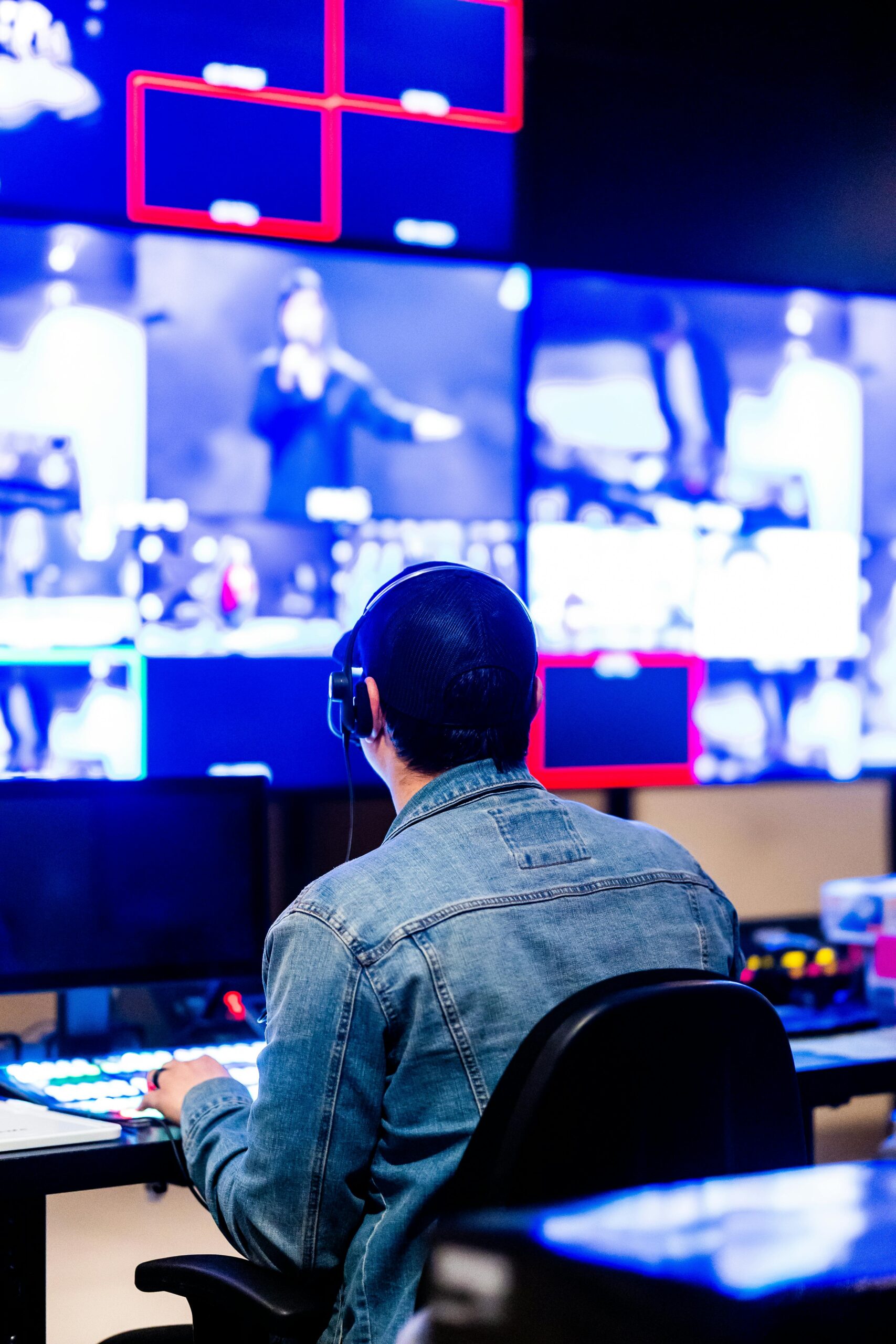
This is where Social Factor operated. Working alongside platform and production partners, our teams managed the live chat environment at scale. Balancing speed, precision, and brand alignment in a setting where anything can change in seconds.
We didn’t just moderate the conversation, we actively shaped it. At key moments throughout the livestream, our team strategically pinned prompts to guide engagement, from “artist up next” and live introductions to spotlighting featured merch. Each interaction was timed in sync with the show, requiring real-time awareness and flawless coordination across teams.
We approached chat as a curated dialogue, not a chaotic feed. By maintaining clear conversational boundaries while introducing timely engagement prompts, we kept the tone welcoming, the energy aligned, and the audience fully immersed. The result was a space where fans could participate confidently, free from distraction and fully connected to the experience unfolding in real time.
Coachella did not just expand access. It redefined presence. The audience at home is no longer separate from the audience on-site. They are part of the same moment, reacting together, influencing each other, and in some cases becoming visible within the experience itself.
This is not just a music trend. It is a shift in how live experiences are designed:
For years, live events operated on a simple premise. You had to be there. Coachella 2026 challenged that assumption. Now, being there can mean standing in a crowd in front of the stage or attending “Couchella” in your living room.
The next generation of live events will not choose between physical and digital. They will be built to operate across both, seamlessly and in real time. The audience in the crowd and the audience in the chat are no longer separate. They are part of the same experience, shaping it together moment by moment.
Most audiences never see what happens behind the scenes of a live event, but the planning, coordination, and real-time decisions are what ultimately shape how the moment feels in the room and on the screen. That same reality is why getting it right matters so much, and if you are planning an upcoming live event or looking to make your broadcast more interactive, engaging, and built for participation at scale, we would love to connect.
15 Social Media Management Myths That Are Hurting Your Brand

How Social Listening Predicts Crises Before They Happen
From Attention to Engagement: The Sports Marketing Playbook

AI in Social Media Marketing: Scaling Engagement Without Losing Authenticity
How Reddit’s API Changes Are Reshaping Social Listening
How Coachella 2026 Turned the Internet Into the Front Row
Social Media Engagement in 2026: What the Data Reveals
Moderation: The Critical Blindspot in Live Online Events

Future-Proofing Your Social Strategy in 2026: AI, Trends, and the Return of Judgment

Community Management Best Practices for Global Brands Managing Millions of Fans